Best Solar Panels for Hurricane-Force Wind: A Florida Buyer's Guide
By Hilario Herrera · Last updated ·Research-based guide · Some links are paid links (disclosure).
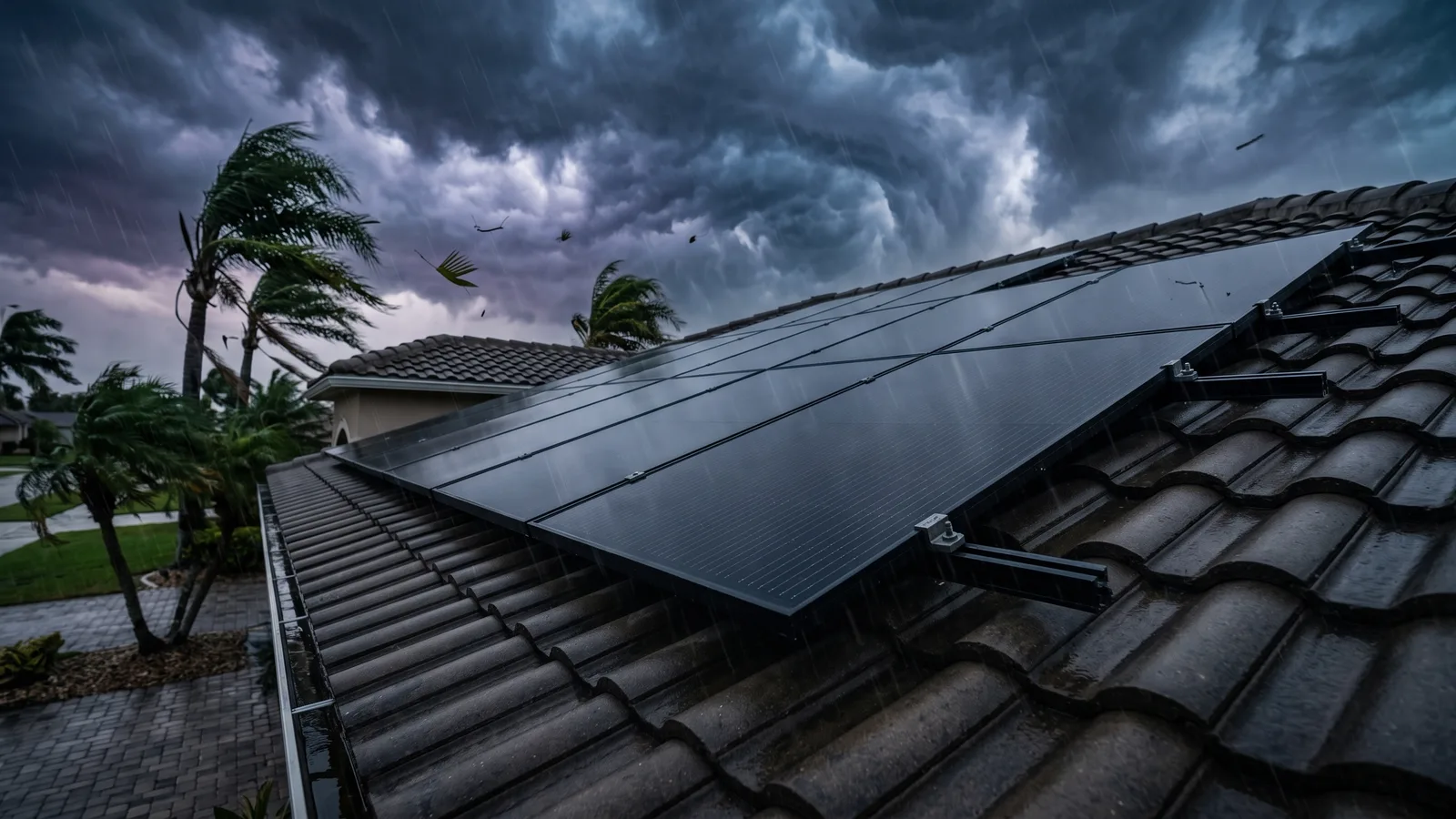
Florida homeowners and RV owners shopping for solar panels face a question that buyers in most other states never think about: will this thing still be on the roof after the next named storm? Wind uplift, not sun exposure, is usually what determines whether a solar installation survives hurricane season. This guide walks through what published manufacturer specs and building-code documentation say about wind-rated panels, so you can ask better questions before you buy or hire an installer.
This is general research and product information, not engineering or legal advice. Always confirm exact requirements with a licensed installer and your local building department before purchasing or installing anything.
Quick Picks
| Category | Why it’s worth considering |
|---|---|
| Rigid monocrystalline panels (roof-mount) | Standard for permanent home installs; pair with an engineered racking system rated for local wind zone |
| Flexible/semi-flexible panels | Lightweight, low-profile for RVs and boats, but generally not intended as a hurricane-rated roof solution |
| Portable/foldable solar panels | Easiest hurricane strategy — store indoors before a storm, no wind-load exposure at all |
| High wind-load rated rigid panels | Look for panels and racking with published high-Pa uplift/load test ratings for hurricane-prone counties |
Rigid vs Flexible Panels: The Basic Tradeoff
Rigid panels are framed, glass-faced modules — the type used on most home rooftop arrays. Because they’re bolted into an engineered racking system anchored to the roof structure, they can be built to meet high wind-load standards, but only if the racking and mounting hardware are rated to match. According to product and industry guidance, most standard rigid panels are tested to withstand wind loads around 2,400 Pascals (roughly comparable to 140 mph), while higher-rated products marketed for storm-prone regions are tested to 3,300+ Pa or more. Some manufacturers publish even higher uplift ratings for specialty racking systems.
Flexible (semi-flexible) panels are thinner, lighter, and bend slightly, which makes them popular for RV roofs, boats, and vans where weight and profile matter. They’re generally not marketed or tested as permanent, code-compliant roof solutions for hurricane wind loads — manufacturers typically don’t publish Pa uplift ratings comparable to rigid systems. If you’re mounting solar permanently on a home in a hurricane zone, rigid, professionally engineered systems are the more established route.
Portable/foldable panels sidestep the wind-rating question by design — you can bring them indoors or into a garage before a storm arrives, so long-term wind-load exposure isn’t a factor at all. Many RV and camping setups rely on these specifically because they’re removable.
What “Wind Load Rating” Actually Means
Panels and racking systems are usually rated in Pascals (Pa) of uplift or pressure resistance, not simply a wind-speed number, because uplift force depends on more than just wind speed — it depends on roof height, exposure category, panel tilt angle, and mounting method. As reporting on hurricane-zone solar notes, the panel material itself often tolerates very high wind speeds in lab testing, but the racking and attachment system is usually the weak point in the field. A panel rated for extreme wind is only as strong as the rail, clamp, and roof-anchor system it’s bolted to.
When comparing published specs, look for:
- A stated Pa uplift/wind-load rating for the panel itself
- A separately engineered racking system with its own wind rating
- Whether the rating reflects a specific exposure category and roof height (higher exposure = higher required rating)
- Manufacturer or installer documentation referencing compliance with local wind-speed requirements
Comparison Table: Panel Types and Typical Wind-Load Characteristics
| Panel Type | Typical Published Wind-Load Range* | Best Use Case | Hurricane Prep Strategy |
|---|---|---|---|
| Standard rigid rooftop panel | ~2,400 Pa baseline | Permanent home rooftop | Confirm racking rating matches local code |
| High wind-rated rigid panel | ~3,300 Pa or higher | Homes in HVHZ/coastal counties | Verify third-party test documentation |
| Flexible/semi-flexible panel | Not typically rated for structural wind load | RV, van, boat roofs | Reduce exposure; avoid as sole permanent roof mount |
| Portable/foldable panel | Not applicable (removable) | RV, camping, backup kits | Store indoors before storm arrival |
*Ranges are illustrative based on published industry figures; always verify current test data directly with the manufacturer before purchasing.
Florida Building Code Context (General Overview Only)
Florida regulates wind resistance for anything attached to a structure, including solar arrays, through the Florida Building Code (FBC), which incorporates national ASCE 7 wind-load standards. Design wind speeds vary by county and by a structure’s “risk category,” and they’re generally higher along the coast and in South Florida.
Miami-Dade and Broward counties fall under the High-Velocity Hurricane Zone (HVHZ), a legally defined area with its own, stricter product approval and testing protocols beyond the standard statewide code. Reported design wind speeds for HVHZ counties are considerably higher than in much of the rest of the state, which is why installers there often use specialty racking and fastening systems that carry HVHZ-specific product approvals.
Outside HVHZ, the rest of Florida still falls under FBC wind-speed maps that vary by location — coastal counties typically have higher requirements than inland ones. Because these requirements are county-specific and change with code updates, don’t rely on this article (or any blog) as your final word.
Before installing anything: confirm current requirements with your county building department and/or through the Florida Building Code’s own resources at floridabuilding.org, and have a licensed solar installer pull the appropriate permits and provide engineering documentation for your specific address and roof structure.
Mounting Considerations Beyond the Panel Itself
- Racking system rating — the rails and clamps need their own wind-load certification, matched to your roof type (shingle, tile, metal).
- Roof attachment method — the number and depth of structural attachment points affects real-world holding strength far more than the panel spec sheet.
- Tilt angle — steeper tilt angles generally increase uplift forces; low-profile, flush-mounted racking is often preferred in high-wind zones.
- Panel age and fastener corrosion — coastal salt air can degrade fasteners over time; periodic inspection is commonly recommended by installers in coastal counties.
- Permitting — most Florida jurisdictions require a permit and inspection for solar installations; skipping this can affect insurance claims after a storm.
FAQ
Do all solar panels sold today meet Florida’s hurricane wind requirements? No. Wind-load ratings vary significantly between products and are influenced as much by the racking system as by the panel itself. Always check the specific published Pa/wind-speed rating for both the panel and the mounting hardware, and confirm compliance with your local building code.
Is HVHZ certification required outside Miami-Dade and Broward? No — the High-Velocity Hurricane Zone designation legally applies only to those two counties. Other Florida counties follow the statewide Florida Building Code wind-speed maps, which still vary by location, especially along the coast.
Are flexible panels ever appropriate for a hurricane-prone home roof? Generally, flexible panels are marketed for RVs, vans, and boats rather than as a primary, code-compliant home roof-mount solution, since manufacturers typically don’t publish structural wind-load ratings for them the way they do for rigid framed panels.
What’s the simplest way to protect a portable solar setup during a storm? Bring it indoors. Portable and foldable panels avoid the wind-load question entirely because they’re not permanently affixed — storing them in a garage or shed before a storm arrives removes the risk.
Where can I find the actual wind-speed requirement for my address? Your county building department is the authoritative source, and the Florida Building Code’s official site (floridabuilding.org) publishes code editions and related resources. A licensed installer pulling your permit will also determine the exact requirement for your property.